
Odds
Odds, probability and the house edge
You do not need advanced mathematics to see how gambling works. These guides use plain arithmetic and worked examples to show how odds are priced, why every game is built to return less than it takes, and why systems and streaks change nothing.
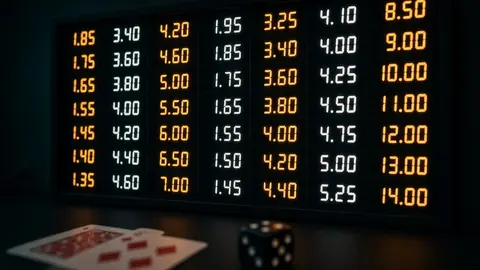
How gambling odds work: probability, odds formats and the hidden margin
Odds are a price for a chance. Once you can turn any set of odds back into probabilities, most gambling advertising loses its power, because the numbers show how much the price includes for the company.
5 minute read
The house edge explained: why gambling is built to lose on average
The house edge is the average share of each stake that the operator keeps over a long run of bets. It is the single most important number in gambling, and one of the least discussed.
5 minute read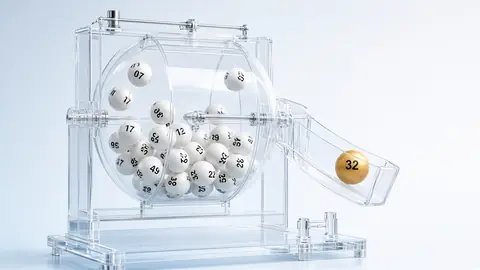
Lottery odds explained: why the jackpot chance is so small and most prizes are tiny
A lottery ticket costs little, which hides how unlikely the top prize is. The odds come from counting combinations, a method anyone can check with a calculator.
5 minute read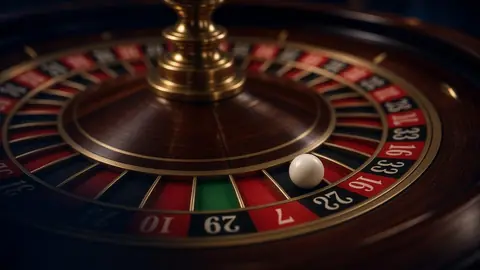
Roulette and slot machines: the maths behind two famous games
Roulette is a game you can analyse completely with school mathematics. Slot machines hide their numbers behind software, which makes the published probability even more important.
5 minute read