Probability first
Probability is a number between 0 and 1 (or 0% and 100%) that says how likely something is. A fair coin lands heads with probability 0.5, or 50%. A fair six-sided die shows a given number with probability 1/6, about 16.7%.
Odds are another way to write the same thing. Two ways of writing odds are common in Europe.
Decimal odds
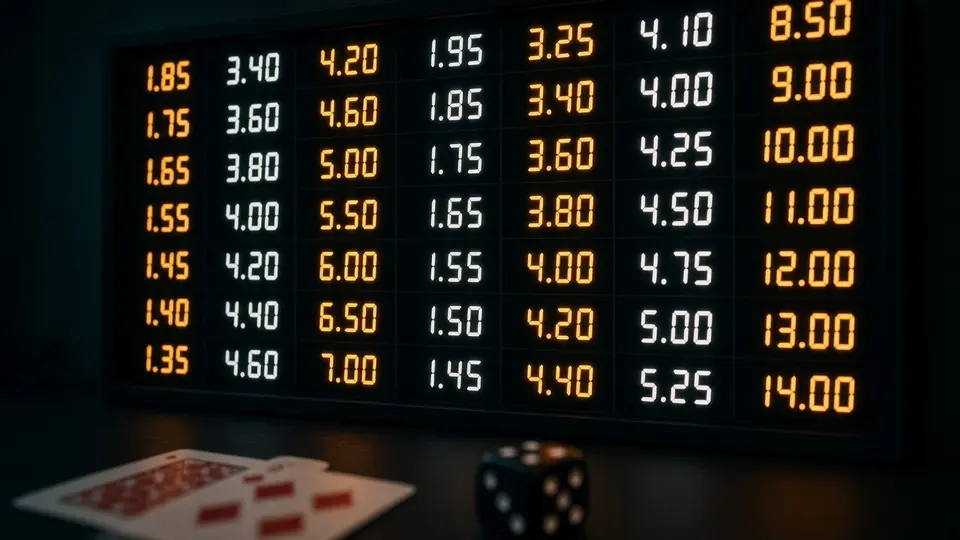
Decimal odds state what a winning bet returns per unit staked, including the stake. At decimal odds of 2.00 a €10 bet returns €20 if it wins, a profit of €10. At 5.00 it returns €50, a profit of €40.
To turn decimal odds into the probability the odds imply, divide 1 by the odds:
- 2.00 implies 1 / 2.00 = 50%
- 4.00 implies 1 / 4.00 = 25%
- 1.25 implies 1 / 1.25 = 80%
Fractional and "x to 1" odds
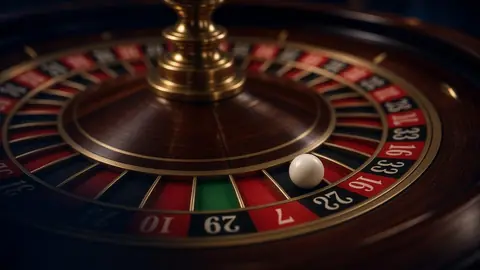
A bet at "3 to 1" pays €3 profit for every €1 staked, plus the stake back. That equals decimal odds of 4.00 (3 + 1). Roulette's famous "35 to 1" for a single number is the same idea: 35 units of profit per unit staked, so a return of 36 units.
The conversion is simple. Decimal odds = fractional odds + 1.
Fair odds and the margin
If a game were fair, the price would match the probability. A fair coin toss would pay 2.00 for either side. Over many tosses you would end up where you started.
No operator offers that. They set odds so that the implied probabilities of all outcomes add up to more than 100%. The amount above 100% is the margin, and it is where the operator's expected profit comes from.
A worked example
Imagine a football match with three possible results and these decimal odds:
| Result | Odds | Implied probability |
|---|---|---|
| Home win | 2.50 | 40.0% |
| Draw | 3.20 | 31.3% |
| Away win | 2.90 | 34.5% |
The three implied probabilities add up to about 105.7%. Real probabilities of three exhaustive results must add up to 100%, so the extra 5.7 points are the margin. If you spread equal bets across all three results, you would get back roughly 100/105.7 = 94.6 cents for each euro staked, whatever the result. The operator keeps the difference.
This simple calculation is useful for any betting market with two or more outcomes. It does not require you to know anything about the sport.
Value is not the same as likelihood
People often say a bet is "good value" if the team is likely to win. That mixes two ideas. Value means the odds on offer are higher than the real probability justifies. A very likely outcome at very short odds can still be poor value, and an unlikely outcome at long odds can still be poor value. Because the real probability is never known exactly, even professionals disagree about value, and the margin means that on average the player has to be right by more than the margin just to break even.
Independence: why past results do not matter
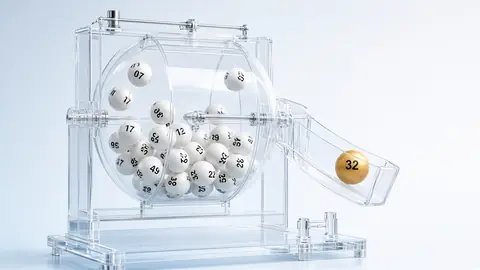
Roulette wheels, coin tosses, dice and lottery draws are designed to be independent: each result is unrelated to the previous ones. A roulette wheel does not "owe" a red after five blacks. The probability of red on the next spin is the same as it was before the first spin.
This is the gambler's fallacy: the belief that a run of one result makes the opposite more likely. The reverse belief, the "hot hand", is the belief that a run makes more of the same likely. Both are wrong for independent events. Sports betting is different because teams and players change over time, but the markets reflect public information, and the margin is still there.
Streaks happen
Because independent results are random, streaks occur more often than people expect. In a fair coin sequence of 100 tosses, a run of six or more heads or tails in a row is quite likely. People tend to see patterns in randomness and to think of them as signs. That is one reason the feeling of "being due" is so convincing and so unreliable.
What operators must tell you
Under the Gambling Act, licensed operators have to make available the rules, the price of the game, the probability of winning, the speed of the draw and an assessment of the risk of gambling-related harm (section 37). The information has to be provided in Finnish and Swedish. If you cannot find the probability of winning for a game, that is a reason to be careful with it.
A simple checklist for any bet
- Write down the odds and convert them to probabilities. If the probabilities add up to more than 100%, find the margin.
- Ask who is on the other side. In fixed-odds betting it is the operator, who is paid by the margin, not by being right about the match.
- Decide the loss you accept before you start. Treat the money as the cost of entertainment, not as an investment.
- Do not raise the stake to win back a loss. The next outcome does not know about the last one.
- Stop when the limit is reached. See self-exclusion and limits.
If you are worried about your own gambling, see the warning signs and the help services.
Quick answers
What do decimal odds of 1.50 mean?
A winning €10 bet returns €15, a profit of €5. The implied probability is 1 / 1.50 = 66.7%.
Can I beat the margin by betting on every outcome?
No. If you bet on every outcome, you receive back less than you staked, by about the size of the margin.
Is a number that has not appeared for a long time "due"?
No. For independent events such as roulette or a lottery draw, past results do not change the next one.
Sources
The numbers on this page are our own arithmetic from the stated rules. They describe long-run averages, not what will happen in any single session. Nothing here is a betting tip or an encouragement to gamble.